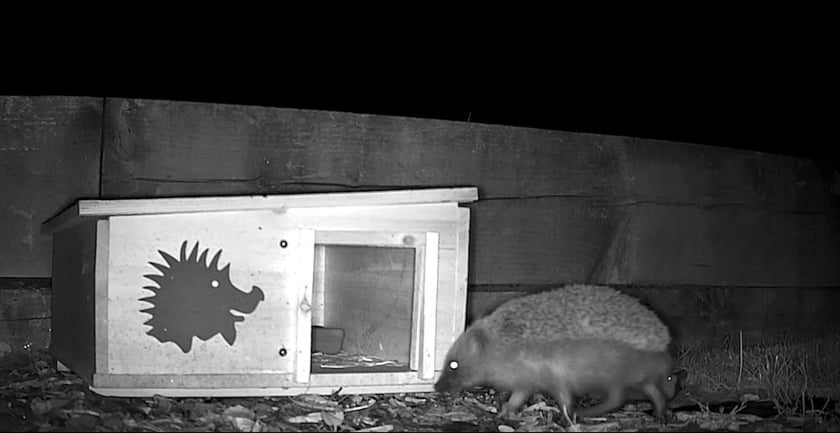
| Hedgehogs are nocturnal | Hedgehogs are mostly active at night, which is when they search for food and explore their local area. |
| Baby hedgehogs are called hog-lets | Hedgehog babies are known as hog-lets and are usually born during the warmer months. |
| Hedgehogs hibernate | Hedgehogs usually hibernate during the colder months when food is harder to find. |
Footage
All About Hedgehogs

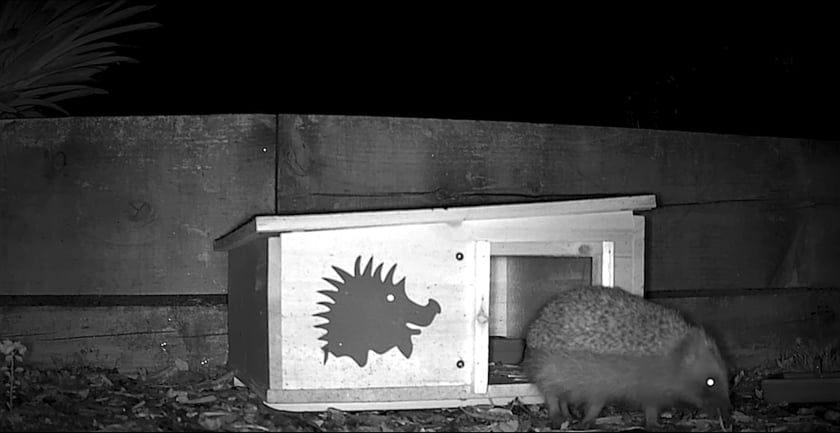
| They eat insects and invertebrates | Hedgehogs naturally feed on beetles, worms, caterpillars and other small invertebrates. |
| They can travel a long way | Hedgehogs can roam up to 2km in one night, which is why connected gardens and safe routes are so important. |
| They have a strong sense of smell | Hedgehogs use their sense of smell to find food and detect danger. |
| They need access between gardens | Hedgehog highways, such as small gaps in fences, help them move safely between gardens. |
| Hedgehogs need water | Leaving out a shallow dish of fresh water can help hedgehogs, especially during dry weather. |
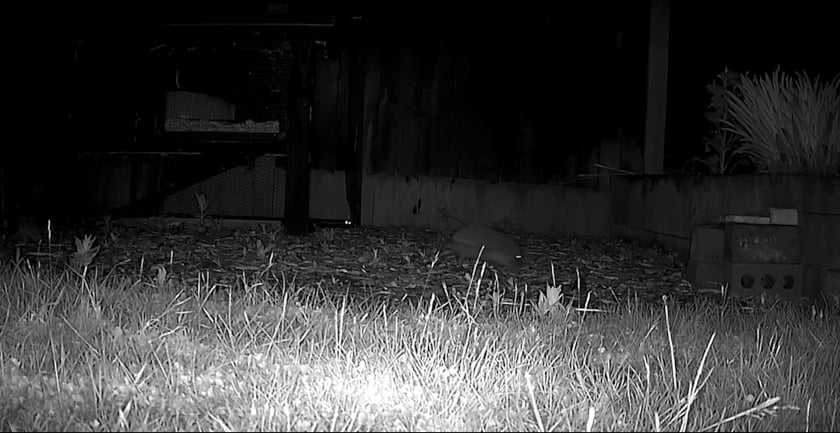
| They should not be given milk | Hedgehogs should not be given milk, as it can make them unwell. Fresh water is much safer. |
| They are vulnerable to garden hazards | Ponds, netting, strimmers, bonfires, pesticides and busy roads can all be dangerous for hedgehogs. |
| They are in decline | Hedgehogs in Britain have seen long-term declines, with rural populations particularly affected. |
| Gardens can make a big difference | Wildlife-friendly gardens with log piles, long grass, leaf litter and safe access routes can help hedgehogs survive. |