Adoptions

Home / Adoptions

HEDGEHOGS SEEKING A HOME

Adopt a hedgehog and help support their journey back to the wild.

At Nova Hedgehogs, every hedgehog in our care has its own story. Some arrive injured, some are underweight, and others are orphaned and need round-the-clock support. By adopting one of our hedgehogs, you are helping to fund the food, shelter, veterinary care and rehabilitation they need to recover safely.

Your adoption helps us continue our rescue work while giving you the chance to follow the progress of a hedgehog in our care. Each hedgehog has their own name, personality and little facts, so you can learn more about them and the important work that goes into helping them return to the wild.
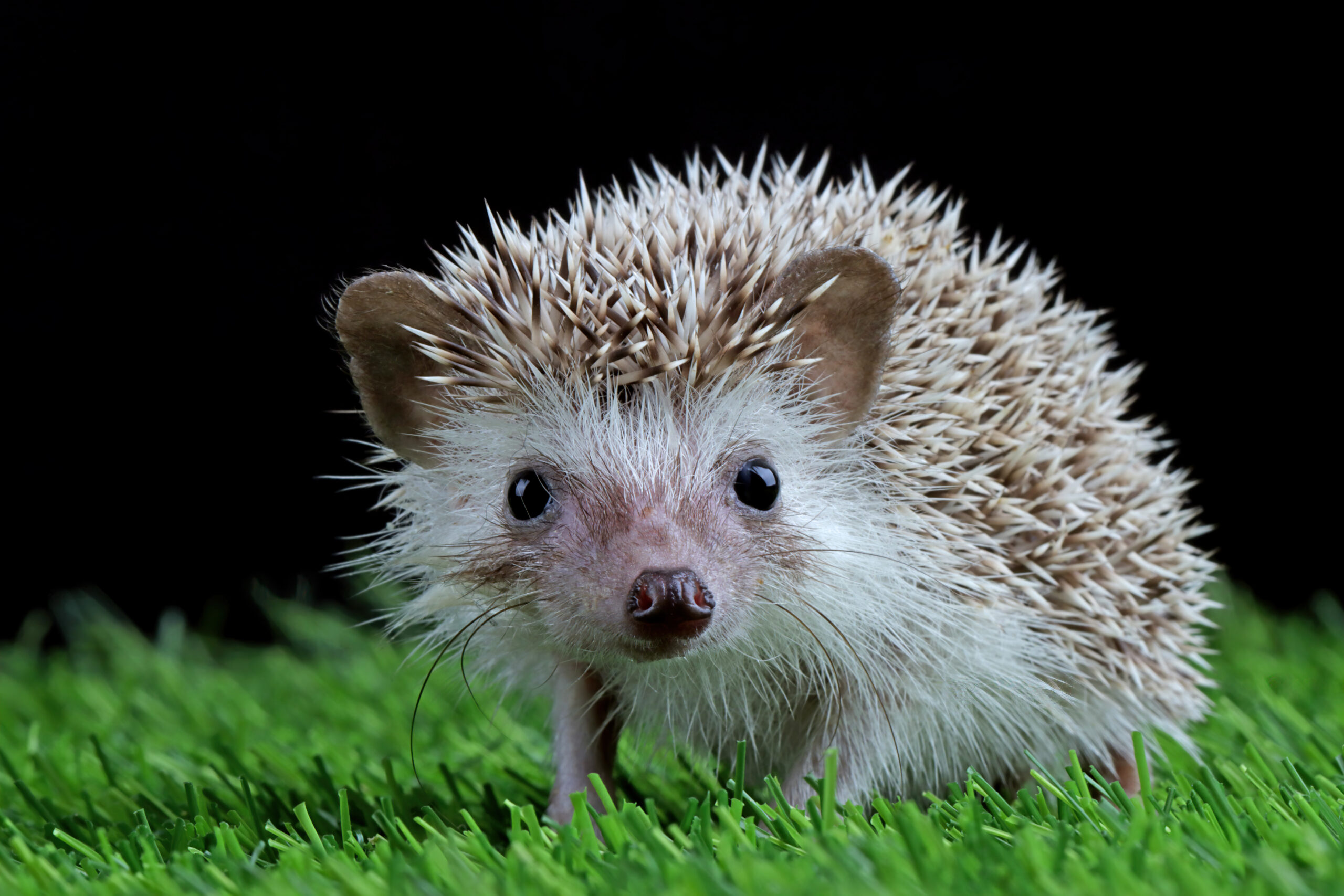
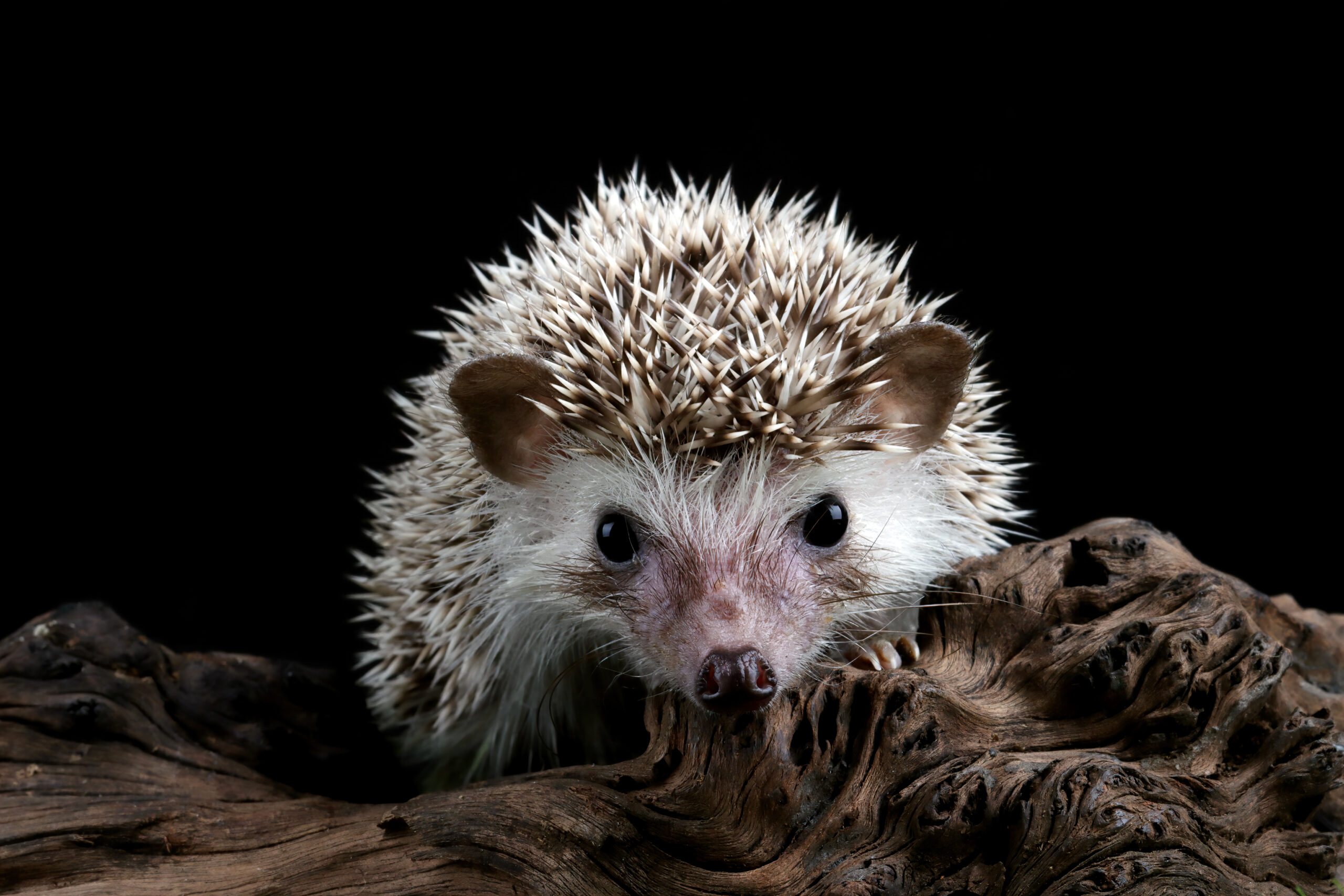
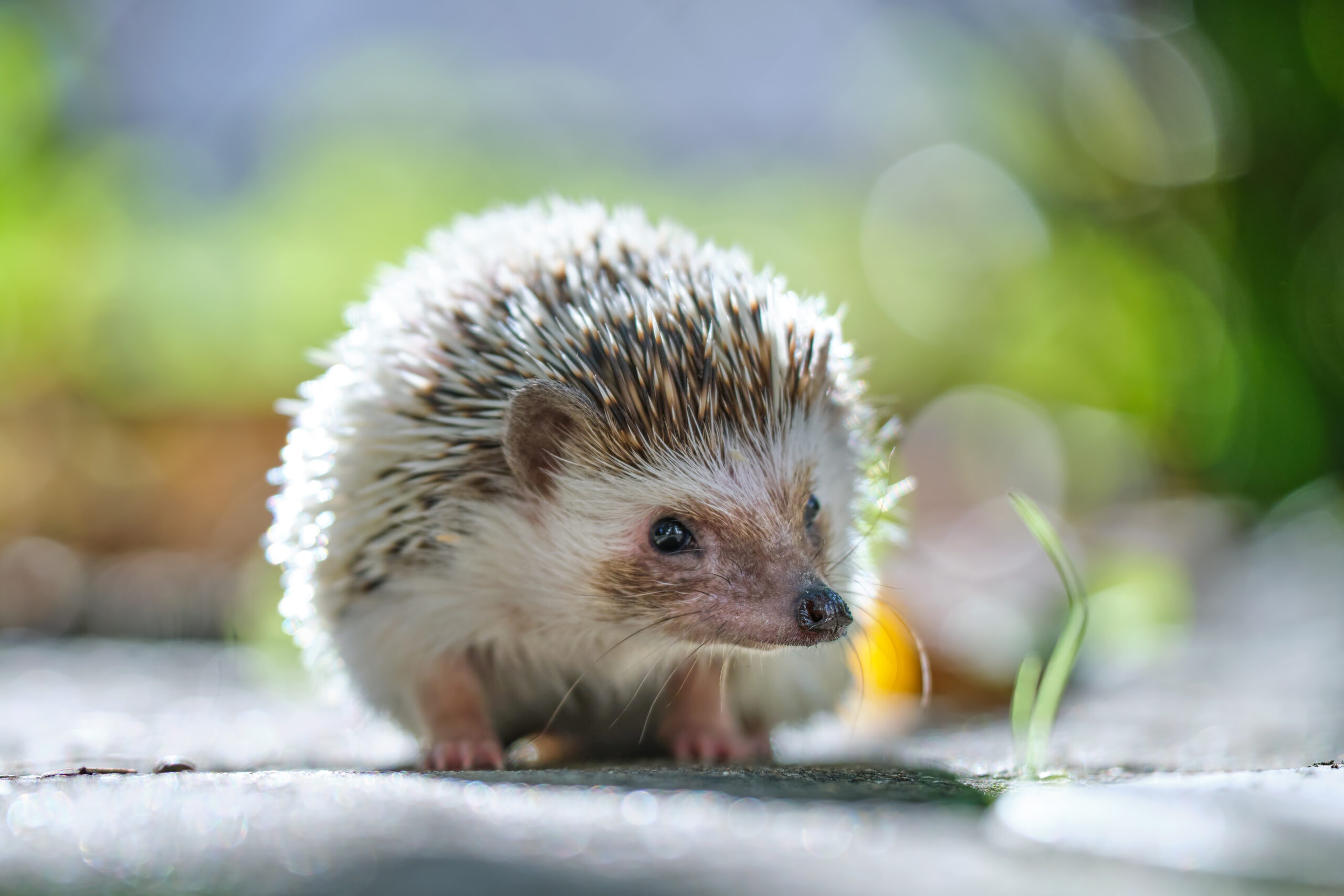
HERBIE

Personality: Shy but adventurous

Favourite snack: Caterpillars and slugs

Often spotted: Around leaf piles and garden borders

MALE

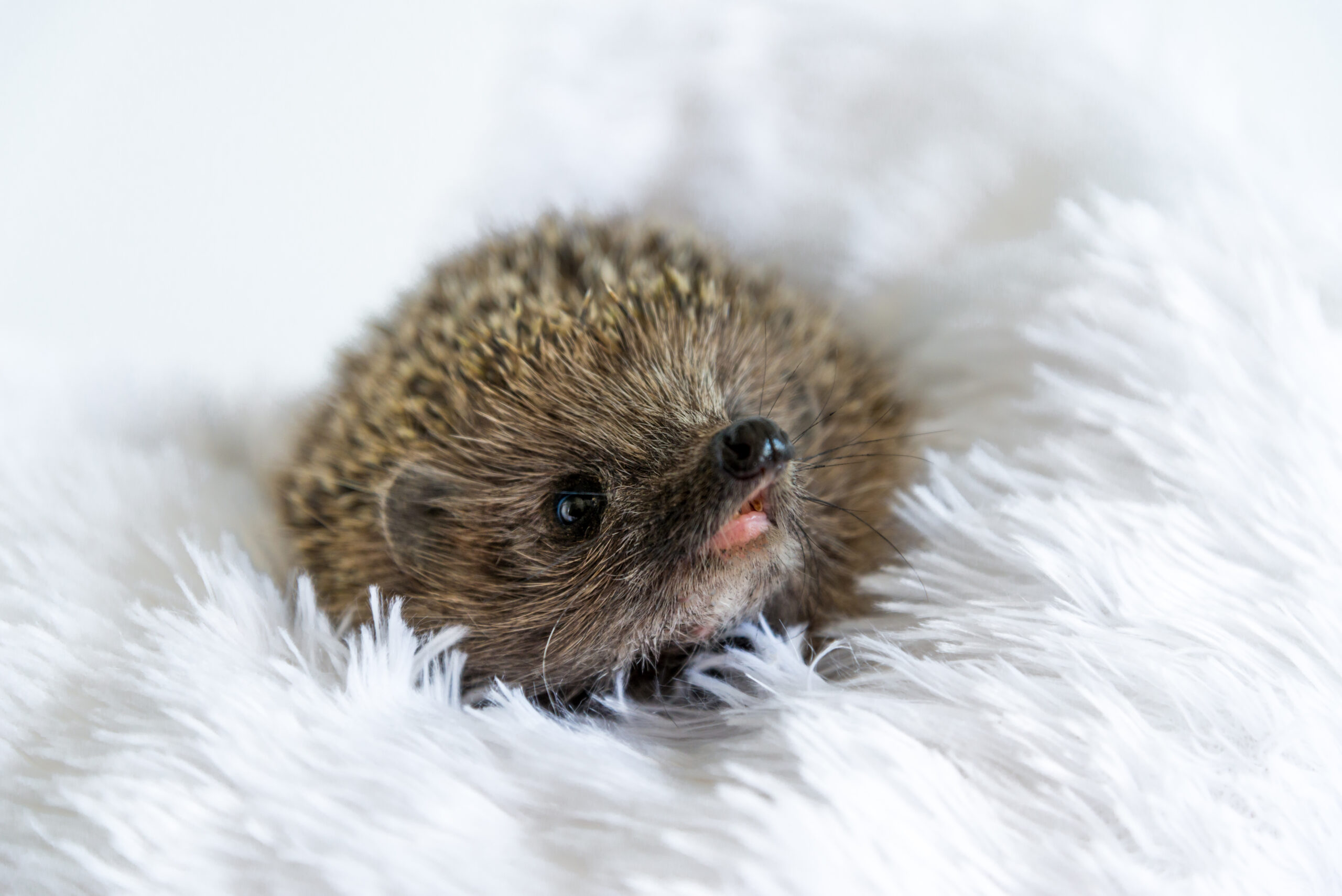
BRAMBLE

Personality: Bold and busy

Favourite snack: Earwigs, beetles and worms

Often spotted: Near fence gaps and hedgehog highways

MALE

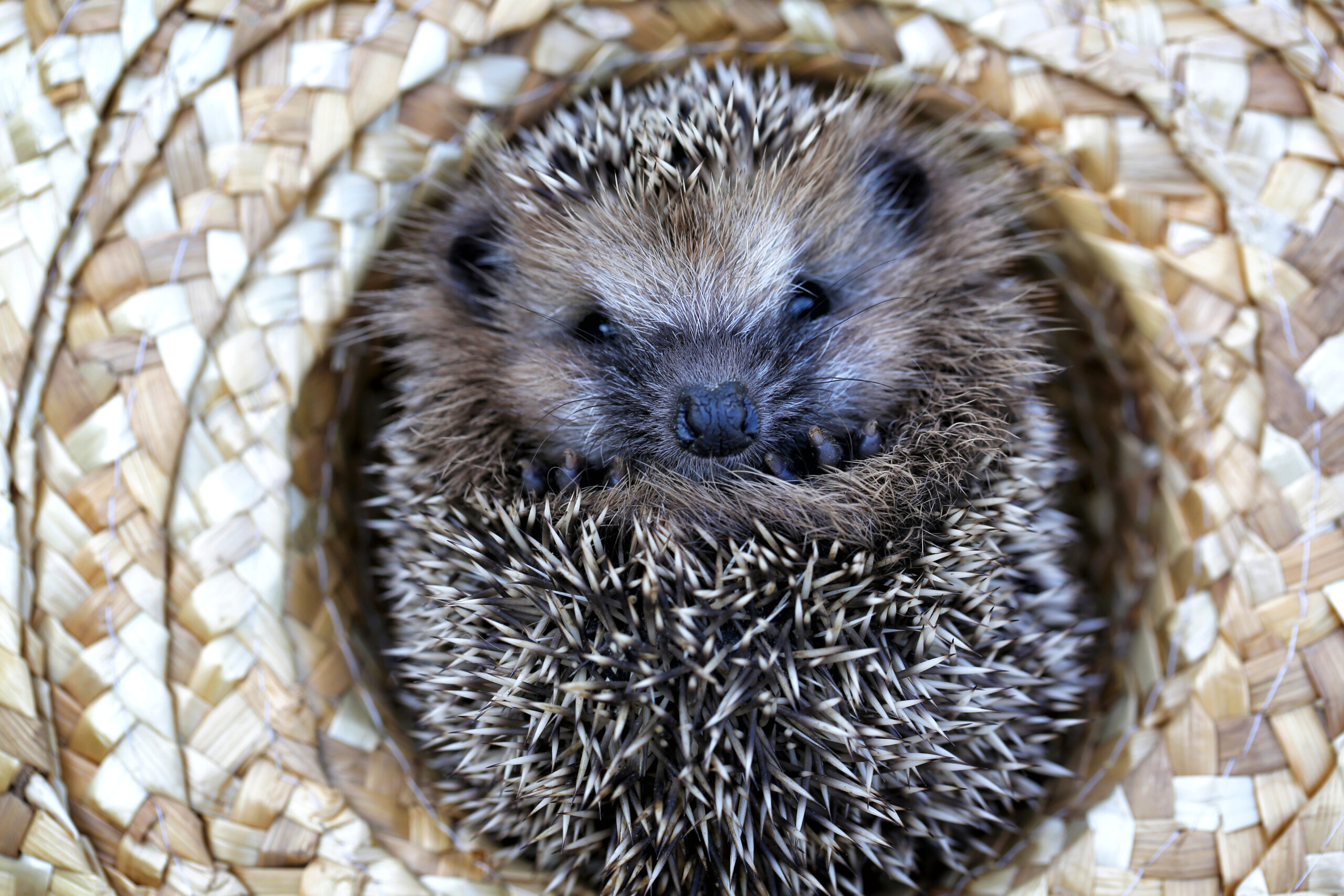
FANG

Personality: Curious and confident

Favourite snack: Beetles and worms

Often spotted: Near hedges, flower beds and compost areas

MALE

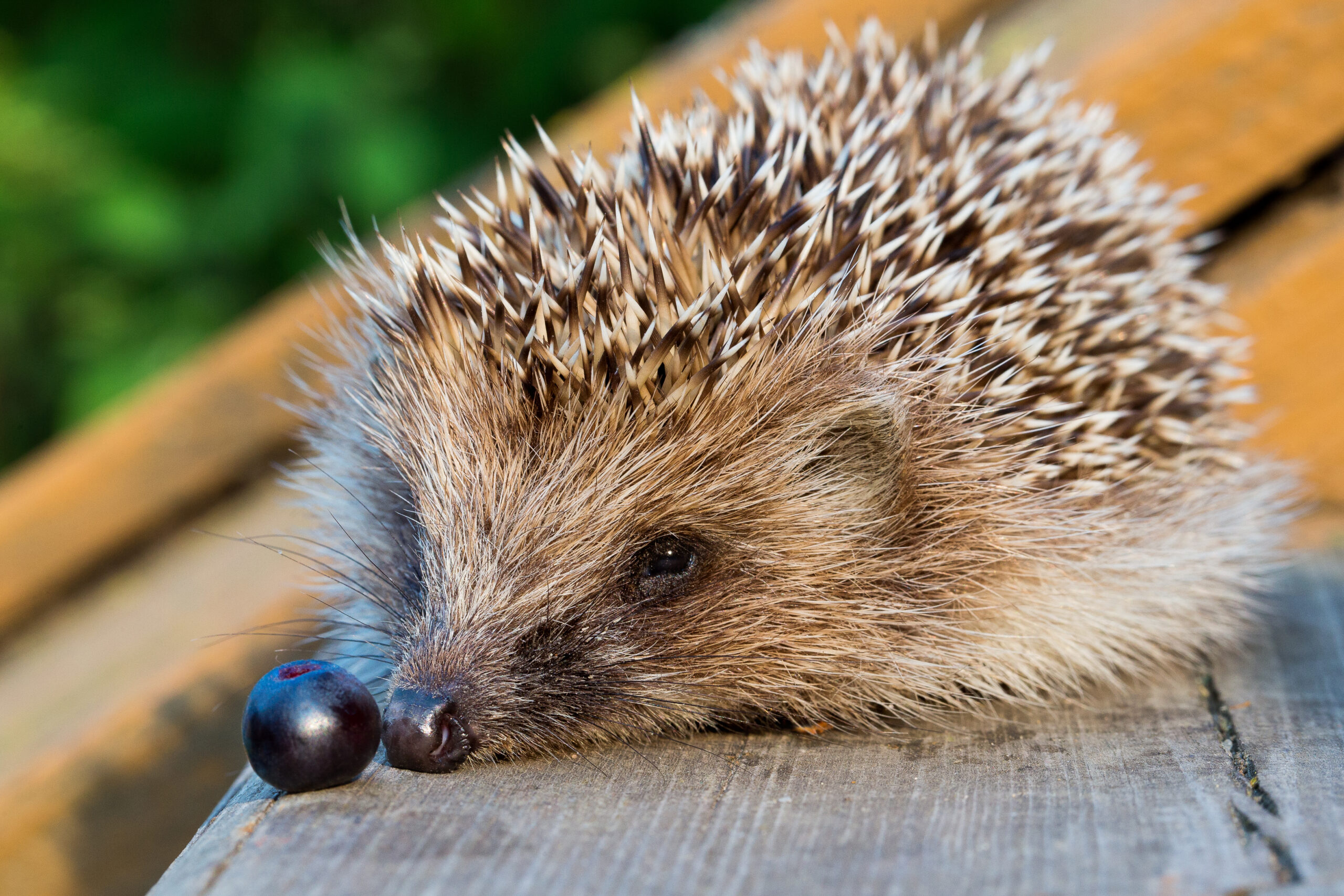
BISCUIT

Personality: Quiet and gentle

Favourite snack: Insects and grubs

Often spotted: In wild garden corners and under shrubs

FEMALE

SPROUT

Personality: Gentle and calm

Favourite snack: Beetles

Often spotted: Near water bowls and shelter

FEMALE

HEDGEY

Personality: Lively and playful

Favourite snack: Worms

Often spotted: Along hedgerows

MALE

All About Hedgehogs

Order: Eulipotyphla

Family: Erinaceidae

Species: 17 species exist

IUCN Red List Status: UK: Vulnerable; Global: Least Concern Population trend: falling in UK.

Distribution: widespread, from Britain and rest of Europe, except the far north, across to Russia. Absent from most Scottish islands. Introduced to New Zealand.

Habitat: mainly woodland habitats, hedgerows, fields, parks, town and country gardens.

Description: distinctive spiny coat; long, coarse hair on face and underparts.

Size: length:- 20 - 30 cm.

Weight: average 700g.

Life-span: can live up to 6 years.

Food: slugs, snails, caterpillars, beetles, earthworms, birds' eggs; sometimes frogs, snakes and carrion.

Things to know before adopting a hedgehog

  • Adoption is usually symbolic. You are supporting the care of a rescued hedgehog, not taking a wild hedgehog home as a pet.
  • Hedgehogs are wild animals. They need specialist care, quiet handling and the right environment before they can return to the wild.
  • Your adoption helps cover care costs. This may include food, bedding, medication, veterinary care, heating and safe shelter.
  • Not every hedgehog’s journey is the same. Some may recover quickly, while others need longer-term care before release.
  • You may receive updates, but the hedgehog’s welfare comes first. Rescue teams may not be able to provide constant updates if they are busy caring for animals.
  • Hedgehogs should not be fed milk or bread. Hedgehogs are lactose intolerant and should only be offered fresh water, meaty cat or dog food, dry cat biscuits or specialist hedgehog food.
  • Safe gardens make a big difference. Shallow water dishes, hedgehog highways, log piles and checking for hazards such as netting can all help protect local hedgehogs.
  • If you find a sick or injured hedgehog, get advice quickly. The RSPCA advises contacting a vet or local wildlife rescue if a hedgehog is injured or you are concerned about it